Communing with Clementines
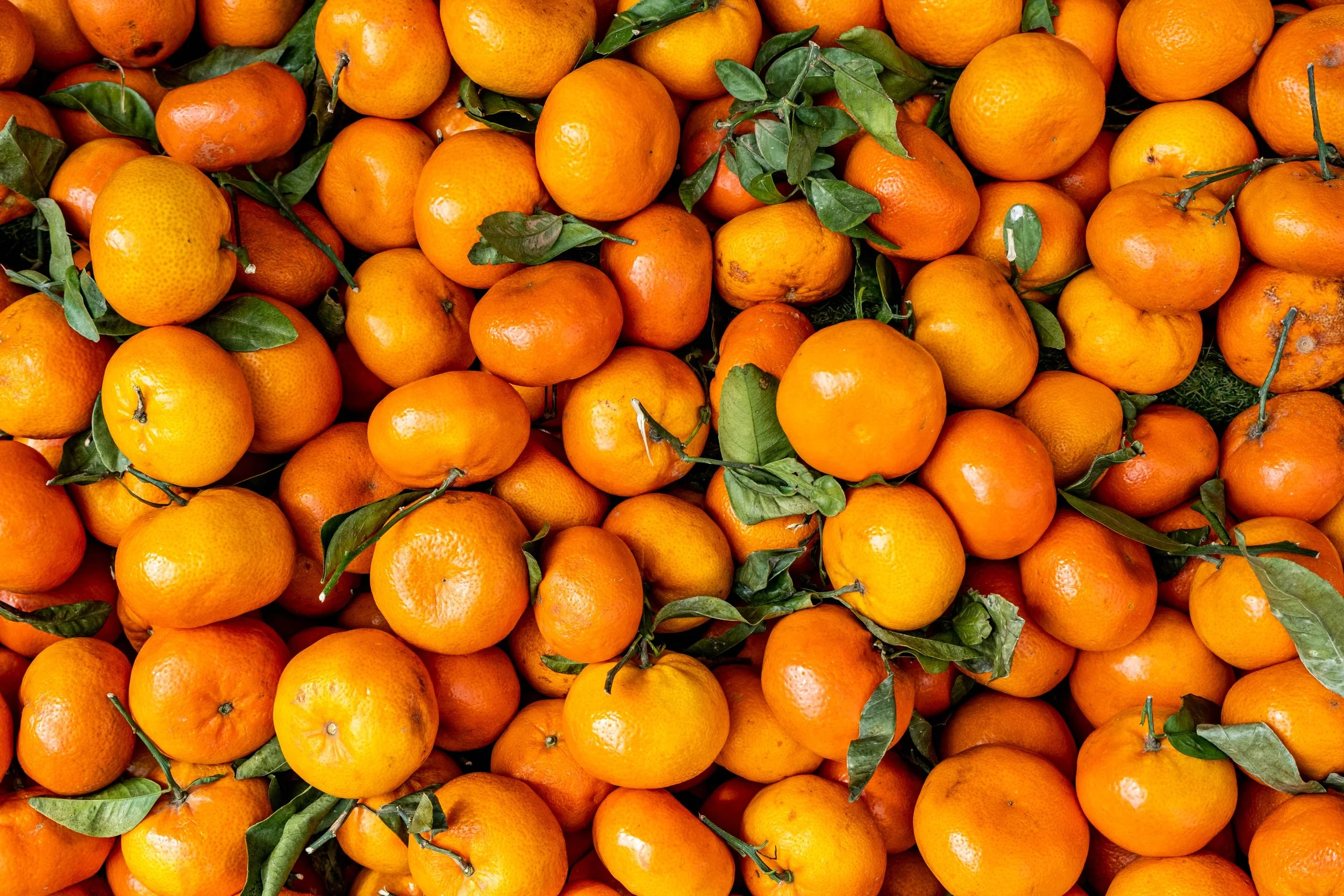
I wasn’t just pregnant—I was pregnant and really, really bad at it. Into each life a little rain must fall, sure. Much of my life’s rain has had to do with making babies. At that point, I’d had three miscarriages—there’d be a couple more later on—and this pregnancy that seemed to be holding had been a particularly disgusting sort of drama from the get-go. My husband had become my custodial crew, following me around with a bucket and a damp rag, and I was certain he was secretly wondering how he’d ever liked me well enough to get me pregnant in the first place. I’d never felt so profoundly mortal, so clearly made of dust.
We’d just arrived in Australia, my husband’s homeland. Miraculously arrived, more like. The gate agent in LA had taken one look at my pallid face, my lifeless eyes, the whiteness of my lips, had seen the roundness of my belly, and had—all blessings on his coiffed and highlighted head—put his finger to his lips in a gesture of silence, and kindly upgraded us to first class. We’d crossed the Pacific on sacred beds of solace, shrouded in feather doonas of glory.
Which was cherished all the more when we arrived at my in-laws’ new home and another adventure began. Luke had grown up in Sydney, but his parents had retired to a charming country town in the Southern Highlands of New South Wales. I’d been warned the new house, like all Australian houses built to shun heat, was chilly in the winter. I had interpreted that to mean I’d better pack an extra sweater. Sydney enjoys a mild climate; how frosty could it be, even in July?
The Southern Highlands were so named because of their very Scottish meteorological system. But the frost and fog out-of-doors were lovely; it was the temperature inside the unheated house that was sharp and raw. The fireplace in the lounge room was kept bright and roaring, the space separated from the rest of the house by a heavy velvet drape, like some sort of Elizabethan bed curtain in shades of mauve, but even there, our breath puffed out like speech bubbles with every word uttered. Beyond the lounge room was the entire rest of the house, comfortable in its appointments if glacial in its temps.
We were assigned the largest guest room for our month-long stay. There were three quilts and an electric blanket atop the double bed. In subsequent visits, we’d keep warm by having lots of sex—a practical matter as much as a thermal one in a bed that small—but for the time being we rugged up more than unpacked. I may never forget the piercing shock of the toilet seat in the otherwise agreeable WC; courage was required every single time we had to pee.
That first evening, Mum made a large pot of soup to warm and welcome us. As glad as I was to be with my in-laws again, I was ill, exhausted, and freezing, and went to bed early. The next morning, jetlagged and up before the birds, we discovered that the soup had spent the night, covered, on the benchtop. It was frozen solid.
Fine by me; I couldn’t stomach it anyway. I was on the beige food survival diet. I’d been hooked to a PICC line at home in Utah for months and had still been sick an average of seven times every day. My salaried Communications Director role had been downgraded to an hourly pay scale so as not to waste budget on an employee who couldn’t do much, and the office’s disabled restroom was designated just for me so I wouldn’t get caught out with a wastepaper basket in a hallway. I could barely remember my formerly capable, formerly cheerful self. It felt like eons since I’d eaten anything at all for the pleasure of it. I was just glad that Australia’s saltines were better than what I could get in the States, and that my darling in-laws seemed to subsist entirely on store-bought bikkies and warm beverages—“Fancy a tea, love?”—none of which had an off-putting odor.
We soon figured out that the cold, fresh air outdoors did me good, so we took to exploring the town. On this day, we’d stopped at the greengrocer to pick up a few things. Sickly and already slow, I’d taken my time, touching everything, wondering about all the foods that were new to me, or known by different names. The produce was beautiful to behold, all organic, each brightly colored item putting its best foot forward and calling to me. And star of it all was a golden heap of clementines, a flaming mountain of citrus, sunny as marigolds. Their scent baited and beguiled me. I bought dozens of them, these firm, ripe orbs of juice and mallow.
Once home, I placed them in a hand-painted serving bowl, stacking them on each other in a smaller mound just for me. The bowl stood with pride of place on the ledge of the pass-through window between the cold, enclosed kitchen and the (slightly warmer) lounge room. Citrus does well in cold environs, lasting longer, preserving and accentuating its vivid goodness. Clementines are a friendly fruit. Wholesome, yes, but tempting, too. These clems displayed a dazzling generosity, wafting their stinging scent of promise through the house.
Not all of earth’s bounties offer such sensual experience. Bananas don’t beckon from afar; lettuce has no siren song to lure me in. Carrots simply don’t care how they smell. There are no-frills foods, standard issue, jazz hands free. But clementines don’t skimp. They’re pocket-sized and personal, interactive, filled with juicy secrets that capture me first with their scent, assuring me the story only gets better. Their pleasures are portable and not at all shy: if you’re eating a clementine, everyone around you knows it. Clems are for all ages and abilities, a citrus for the people. They’re substantive, silly, and sincere—maybe even a little bit sexy—the full package, packaged with style.
Standing before Mum’s stainless steel sink on that brisk afternoon, with a view past the oldies watching telly in the lounge room out toward the back verandah, I sunk my thumb into the dimpled base of that first clementine, its give just enough to be satisfying, its zest caught under my nail. It lifted and peeled effortlessly, one long, curved strip, with a whispered schwooping sound all its own, as if to be undressed in such a manner, to be consumed by me on that day at that sink in that cold kitchen fulfilled its entire purpose. It seemed to eagerly enjoy this, the measure of its creation.
But still, with parenthood pending I was seeking signs everywhere, and there were more gifts to receive. Plucking the leggy, venous branches between sections met my motherly need to create order, to prepare a place. Separating one section from the rest offered an organizational pleasure, as if the Creator understood that fruit can contribute, can be smart as well as fun. The crescented wedges working together, each one built to support the others, each one equal to the rest: a metaphor for functional relationships. Each tiny segment specific and singular, wholly individual and contained, holding the infinity of itself and of its kind: a lesson in family dynamics.
I took my first bite, popping the first segment onto my tongue in its entirety. It burst in my mouth, like first fireworks in the dead of night—color and movement and sound, liquid brightness of light and joy and wonder. It was extravagantly delicious. It held the universe within its flimsy membrane and offered it up with the liberality and largesse of the immortal. I had never in my life tasted something so vibrantly, so lavishly, so unselfconsciously alive.
One was nowhere near enough. I ate another, and then another, glutting myself on eight, nine, ten clementines, more, as I stood in place at that sink in that wintry kitchen on that wintry day in the Southern Highlands of New South Wales. For months, I’d smelled nothing that appealed, nibbled nothing for the pleasure of it, kept nothing down. I’d been eating with an eye toward what wouldn’t hurt when moving the wrong direction up a single lane road. I’d been eating in grayscale.
But these clementines, their divinity lay in their immodesty, the outrageous delight they took in sharing their celestial sweetness with me. They offered me cheer and celebration, like God rays breaking through a roiling leaden sky, and they knew it.
I laughed as I inhaled them with my nose and mouth, my fingers stained the color of their skins, the scent of their heady oils all around me. My husband laughed with me, amused by my greed, glad and grateful that I seemed more like his usually buoyant wife. His parents were gobsmacked at my ridiculous intake—me, the pleasant, perplexing foreigner who loved their son—but happy with anything that did the trick.
Every day of that visit, all month long, I stood at that sink and communed with the clementines, consumed by and consuming their succulent self-assertion. Each day, each clementine, was gorgeous, each bite a sign and a wonder, as if noble Nature were giving a nod to my meager maternal efforts. The out-of-body beauty of that indelicate, insatiable experience gave me the strength to endure the rest of that difficult pregnancy.
I’ve never again experienced such stunning succulence, so freely bestowed. But I have remembered the lessons those clementines taught me, their sunny, celestial character shared so shamelessly. On that cold and cloudless day, I was fully nourished—body and soul—by the juicy generosity of the humble clementine.
originally published in Under the Gum Tree